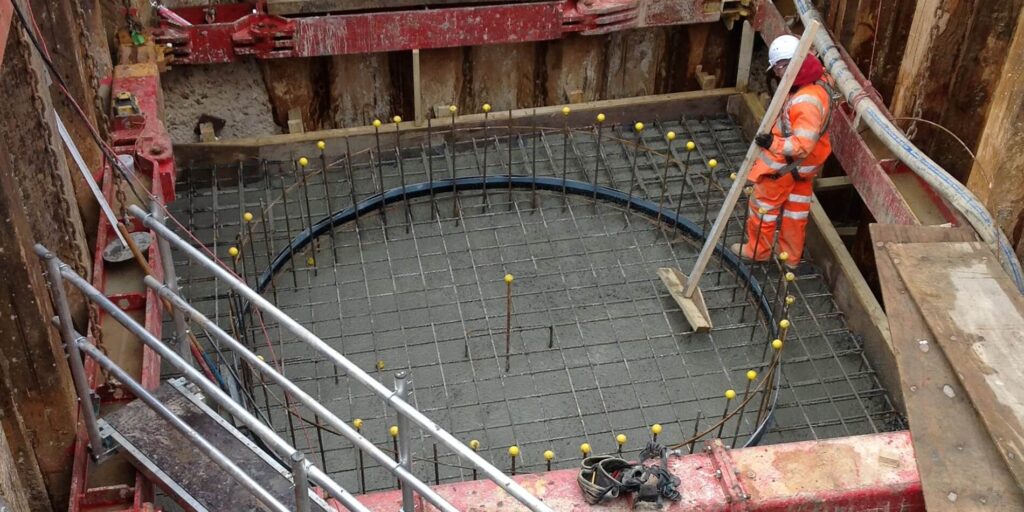
Introduction: Why Civil Engineering Quality Matters in London
London’s construction landscape is complex.
Tight spaces, ageing infrastructure, strict regulations, and demanding timelines create daily challenges for developers, facility managers, and commercial property owners.
Recent UK construction data shows that groundworks and civil engineering issues are among the top reasons for project delays and cost overruns in urban areas. Poor drainage design alone accounts for thousands of pounds in post-handover repairs every year.
This is why choosing the right civil engineering contractors in London is not optional.
It directly impacts safety, compliance, project lifespan, and return on investment.
This guide is written for UK working professionals who need reliable, compliant, and future-ready civil engineering solutions.
The listicle below explains the most important construction design and build services, why they matter, and how to choose the right approach for your project.
How This List Was Created: Our Selection Methodology
Before recommending any construction design and build service, we evaluated them using a practical, on-site, focused framework:
- Relevance to London’s urban construction needs
- Compliance with UK building regulations and local authority standards
- Long-term performance and maintenance impact
- Cost control and risk reduction for clients
- Suitability for commercial, residential, and mixed-use projects
Groundworks Construction: The Foundation of Every Successful Build
Why Groundworks Are Critical in London
Groundworks determine how stable and durable a structure will be.
In London, soil conditions vary widely, from clay-heavy zones to made ground from historical developments.
Professional groundworks contractors handle:
- Site clearance and bulk excavation
- Foundations and piling
- Basement construction
- Concrete slabs and substructures
Benefits for UK Working Professionals
- Reduces structural risks early in the project
- Prevents costly redesigns after planning approval
- Supports faster superstructure construction
- Ensures compliance with structural engineering standards
Drainage Systems: Preventing Flooding, Fines, and Future Repairs
The Real Drainage Problem in Urban London
Surface water flooding and poor drainage are growing issues across Greater London.
With increased rainfall and stricter environmental rules, drainage design is no longer a secondary task.
Civil engineering contractors provide:
- Foul and surface water drainage
- Sustainable drainage systems (SuDS)
- Manhole installation and upgrades
- Flood prevention and attenuation tanks
Why Drainage Design Pays Off Long-Term
- Protects buildings from water damage
- Meets local council and environmental requirements
- Reduces maintenance costs after handover
- Improves property value and usability
Civil Infrastructure Works: Supporting Large-Scale Developments
What Civils Work Covers
Civil engineering contractors in London manage infrastructure that supports entire developments, not just individual buildings.
This includes:
- Roads and access ways
- Kerbing and paving
- Service ducting and utilities
- External works and landscaping preparation
Why This Matters for Commercial Projects
- Ensures smooth access for staff, residents, and logistics
- Supports long-term durability of shared spaces
- Improves compliance with local authority approvals
- Enhances overall site functionality
Design and Build Services: One Team, Fewer Risks
The Problem With Fragmented Construction Teams
Many London projects fail because design, engineering, and construction are handled by separate parties.
This often leads to miscommunication, rework, and delayed approvals.
Design and build civil engineering services combine:
- Technical design
- Engineering calculations
- Construction execution
- Compliance documentation
Benefits for Busy Professionals
- Single point of responsibility
- Better cost forecasting
- Faster decision-making
- Reduced contractual disputes
Basement and Below-Ground Structures: Maximising London Space
Why Basements Are Popular in London
With limited surface space, basements add usable area without increasing the footprint.
However, they are technically demanding and heavily regulated.
Specialist civil engineering contractors manage:
- Temporary works and shoring
- Waterproofing systems
- Structural reinforcements
- Safe excavation in tight locations
Key Advantages
- Adds high-value usable space
- Supports residential and commercial expansion
- Requires expert risk management
Utility and Service Installations: Keeping Projects Operational
What Utility Civils Involve
Utility works are essential but often underestimated.
They include:
- Water, gas, and electricity ducting
- Telecom and data infrastructure
- Coordination with service providers
- Compliance with safety standards
Why Professionals Should Care
- Prevents service clashes during construction
- Avoids delays in final approvals
- Ensures smooth operational handover
Compliance and Health & Safety: Non-Negotiable in the UK
London’s Regulatory Environment
Civil engineering projects must comply with:
- UK Building Regulations
- CDM Regulations
- Local council planning conditions
- Environmental and drainage standards
Value for Decision-Makers
- Reduces legal exposure
- Improves site safety
- Protects brand and reputation
Choosing the Right Civil Engineering Contractors in London
Before appointing a contractor, UK professionals should assess:
- Proven London project experience
- Technical capability across groundworks, drainage, and civils
- Clear communication and reporting processes
- Strong health and safety track record
- Ability to offer design and build solutions
Final Thoughts: Building for Performance, Not Just Completion
Civil engineering is the backbone of every successful construction project.
In London, the stakes are higher due to regulations, space constraints, and long-term asset expectations.
By investing in the right groundworks, drainage, and civil infrastructure services, working professionals gain:
- Fewer delays
- Lower long-term costs
- Better compliance outcomes
- Stronger, more reliable assets